
No, it is not too late. Adults who pick up strength training at 60 build real, measurable strength, and they often do it more visibly than any other group we coach. The research says so. So does what we watch happen on our training floor in South Tempe every week.
The question deserves a plain answer, because the fear underneath it keeps capable people on the sidelines: the sense that the window closed somewhere back in your 40s, that gyms belong to other people, that starting now would be risky or embarrassing. None of that holds up against the evidence, and none of it holds up against the members in their 60s and 70s training beside us right now.
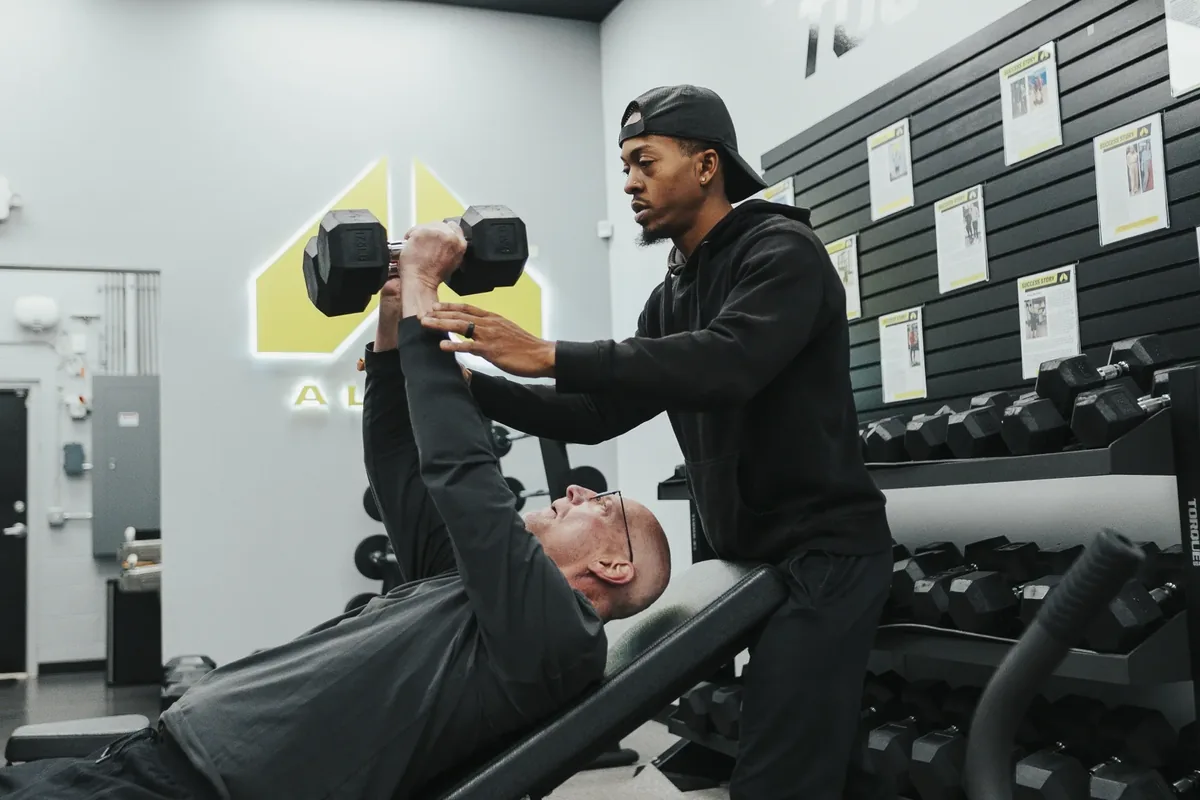
What does the research actually say about starting at 60?
Resistance-training studies on adults in their 60s and 70s, including people who had never touched a weight in their lives, consistently show meaningful strength gains within the first eight to twelve weeks of a structured program. The capacity to adapt to progressive challenge does not expire. Progress may arrive a little more gradually than it would have at 25, and recovery deserves more respect between sessions, but the response is there, waiting to be asked.
The research points to something else worth hearing: the strongest predictor of results isn't age. It's consistency. People who train two to three times a week, with sensible progression, get stronger at 60, at 70, and beyond. People who sprint into an aggressive program, get hurt or discouraged, and quit by March do not. Which means how you start matters far more than when.
Why does strength matter more at 60, not less?
In your 30s, training is mostly about how you look. At 60, strength is the difference between doing what you want and negotiating with your body over it. Think about what actually depends on it:
- Carrying all the groceries in from the car in one trip
- Getting up from the floor easily, without a plan
- Keeping up on a trip, on the pickleball court at Kiwanis Park, or with grandkids who never stop moving
- A full day of yard work without paying for it for the next three
- The quiet confidence of a body you trust
Strength you don't use has a way of drifting off quietly. That's true at every age, but the stakes rise with each decade. Here's the encouraging flip side: if you've never trained, your trainable ground is enormous. A first year of consistent strength training at 60 often produces more noticeable change than another year of the same routine produces for a 35-year-old gym regular.
What should your first month of strength training look like?
Not like a movie training montage. A good first month is deliberately unremarkable:
- An honest starting point. Not a fitness test designed to humble you. A real assessment of how you move today, including old injuries and long layoffs.
- Small jumps, made consistently. Progress at 60 compounds beautifully. You don't need to rush it; you need to repeat it.
- A coach who watches your reps. Form quality matters more now, not less. Guessing alone on a crowded gym floor is how good intentions end early.
In our studio, that first step is built in. Every new member begins with a complimentary Starting Point Session: we talk through your health history and goals, run an InBody body composition scan and a functional movement assessment, and coach you through a short introductory workout. Then we recommend the membership that actually fits. Nobody gets dropped into someone else's program.
What do the first few months actually feel like?
Worth knowing in advance, because the timeline surprises people in a good way.
The first month is about learning, not transforming. You're grooving movement patterns, finding your starting loads, and discovering that a training session at 60 feels less like punishment and more like practice. Most people are startled by how quickly "I don't belong in a gym" fades when the gym is six people and a coach who knows your name.
The second month is when strength starts arriving. Weights that felt serious in week one start feeling like warm-ups. This is the stretch where the habit sets, because the feedback loop closes: you can feel the difference between who walked in and who's training now.
Around the third month, the reasons you came show up. Stairs without the handrail. The suitcase into the overhead bin. A grandchild picked up off the floor without a second thought. Members rarely brag about their leg press number; they tell us about Saturday mornings that used to wear them out and don't anymore.
And because every membership includes a monthly InBody body composition scan, you won't have to take our word for any of it. The change shows up in your own numbers, month over month.
How do you choose the right gym in Tempe for this?
Prioritize coaching attention over equipment volume. A warehouse of machines is no help if nobody shows you how to use them for your body, and for most people starting at 60, a big-box floor is a lonely place to guess. What to look for instead:
- Session sizes small enough that the coach sees every rep you do
- A professional coach in the room the entire session, not an app or a front desk
- Programming that adapts to your history, not a one-size workout of the day
- Members your age actually training there, not just in the brochure
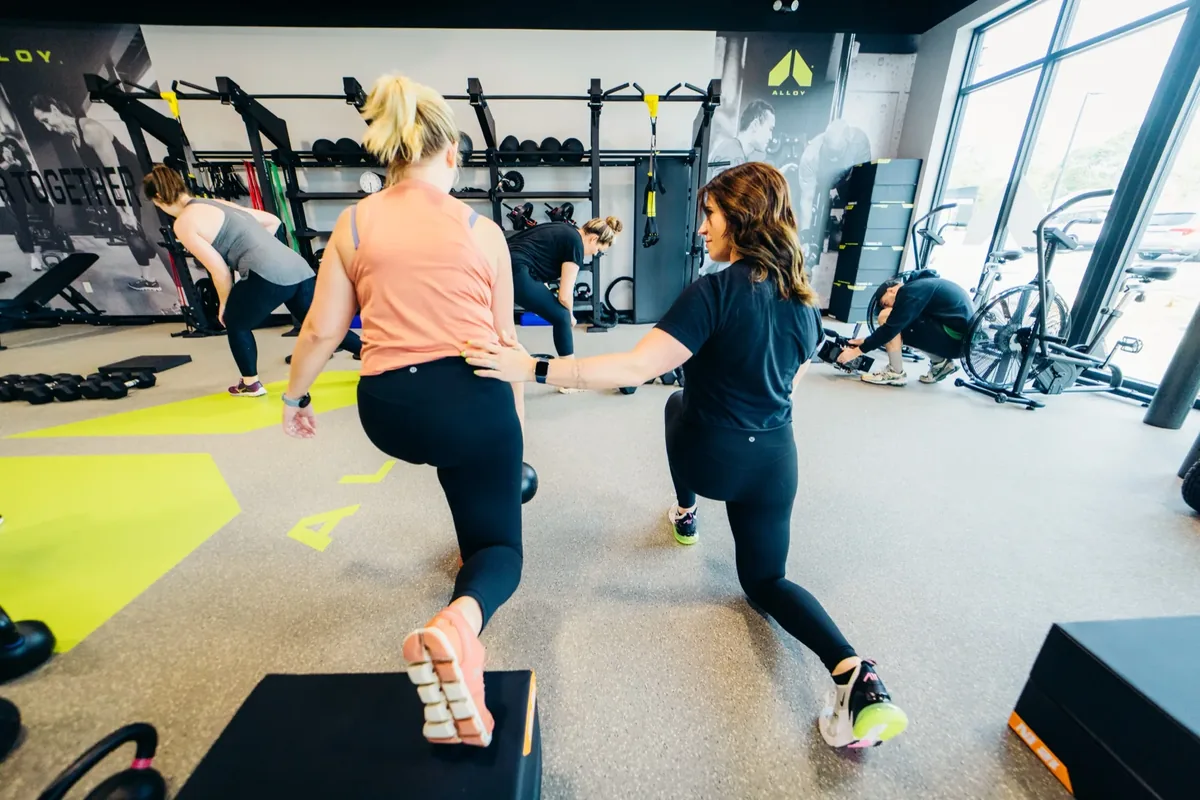
That's the case for small group personal training over a big-box membership: sessions capped at six members, every exercise progressed or modified per person, and a coaching relationship instead of a key fob. You can read exactly how our small group personal training works, session to session.
If you're in South Tempe, near Corona del Sol, along the Kyrene corridor, or just across the Chandler border, our studio on Warner and McClintock was built for exactly this start. Most of our members are adults 40 and over, and plenty came in the door at 60-plus having never trained before.
What if you have an old injury or a health condition?
Old injuries are the norm at 60, not the exception. A shoulder from softball days, a knee that has opinions about stairs. A coached program doesn't ignore those; it works around them. Every exercise in a small group session can be modified or swapped while the rest of the group carries on, which is precisely why this model suits people with a history.
One caveat we give everyone: if you have a heart condition, uncontrolled blood pressure, or a recent surgery, talk with your physician before starting any training program. Then bring us what they say. We'll build from it — that's the job.
You don't need to feel ready. You need a starting point. Book Your Complimentary VIP Consultation and let's find out where yours is, or browse the questions other new members ask first.