
When people picture exercise for type 2 diabetes, they almost always picture walking. Walking is genuinely excellent, and every physician on earth recommends it. But the picture is missing its other half, the one researchers and major diabetes organizations have been emphasizing for years: resistance training belongs in the plan too, and the reason is muscle itself.
First, the boundary that this entire topic sits inside: diabetes is managed by you and your healthcare team. Medication, monitoring, targets, and what is safe for you are their calls, always. What follows is the general research picture and how we coach members who train with diabetes in their health history, which, at a studio serving adults 40 and over, is a regular part of the job.
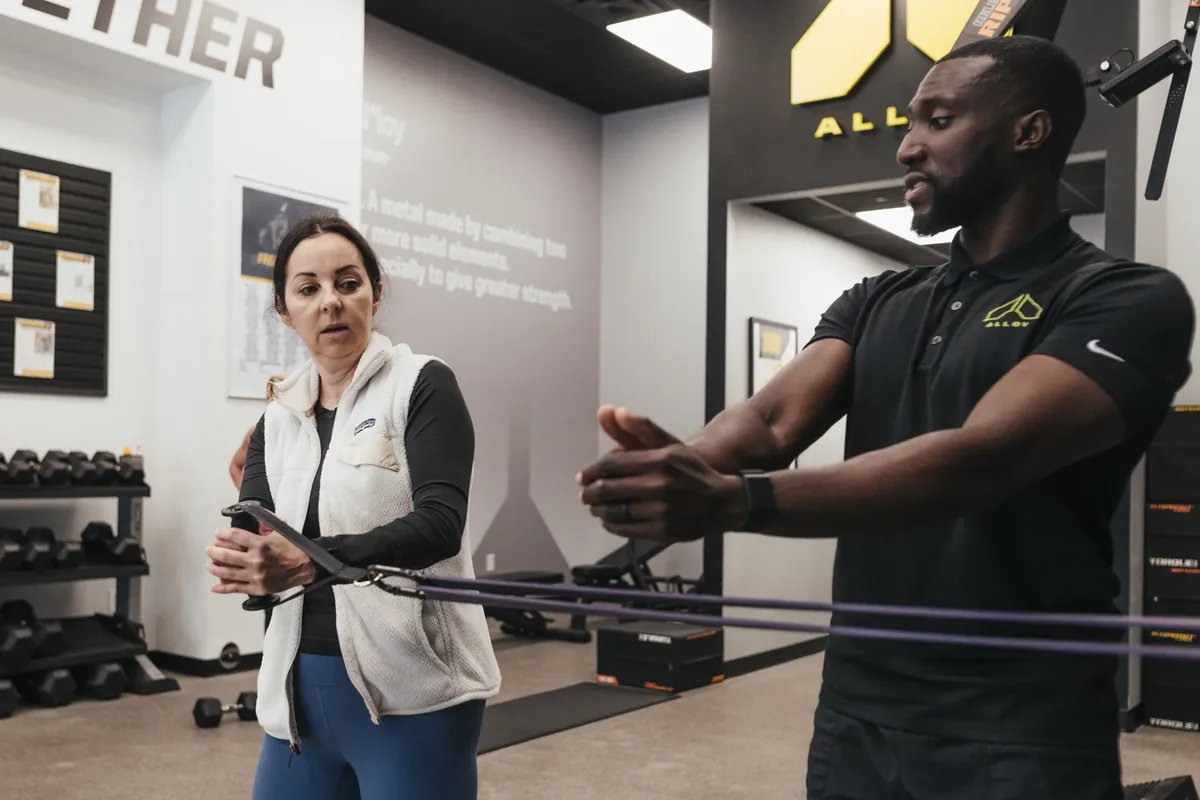
Why does muscle matter for blood sugar?
Because muscle is one of the body's largest destinations for the glucose in your blood. When you eat, a substantial share of that sugar is meant to be taken up and stored by muscle tissue. More muscle, kept active, means more capacity to put glucose to work. Less muscle means less capacity, which is one reason age-related muscle loss and blood sugar trouble so often travel together.
Training amplifies this twice over. In the hours and days after a session, muscles are notably better at taking up glucose. And over months, training builds more of the tissue doing the taking. Walking uses the muscle you have; strength training grows the asset itself.
What does the research show?
Reviews of many studies associate regular resistance training with meaningful improvements in long-term blood sugar markers for people with type 2 diabetes, alongside better body composition and strength. Major diabetes organizations now recommend resistance training a couple of times per week in addition to aerobic activity, not instead of it. The combination outperforms either alone, which by now is a familiar chorus on this blog: the walking and the weights are teammates.
What does training with diabetes look like in practice?
Mostly it looks like good training, with a few extra lines of communication:
- Physician clearance first, and their guidance travels with you. Some medications affect blood sugar around exercise, and your care team's instructions on timing, snacks, and monitoring are part of the program.
- Tell your coach. Ours know which members train with diabetes in the picture, what their physicians have advised, and what to keep an eye on, the kind of awareness a six-member cap exists to make possible.
- Progressive, moderate, consistent. The same two to three coached sessions a week we build for everyone, scaled to your body and history, progressed in sensible steps. Consistency matters extra here, because the glucose benefits of each session are partly time-limited, which makes regular training more valuable than occasional heroics.
- Fuel sensibly. Members follow their care team's advice on eating around sessions, and our ongoing nutrition guidance stays evidence-based and coordinated with it, never a replacement for it.
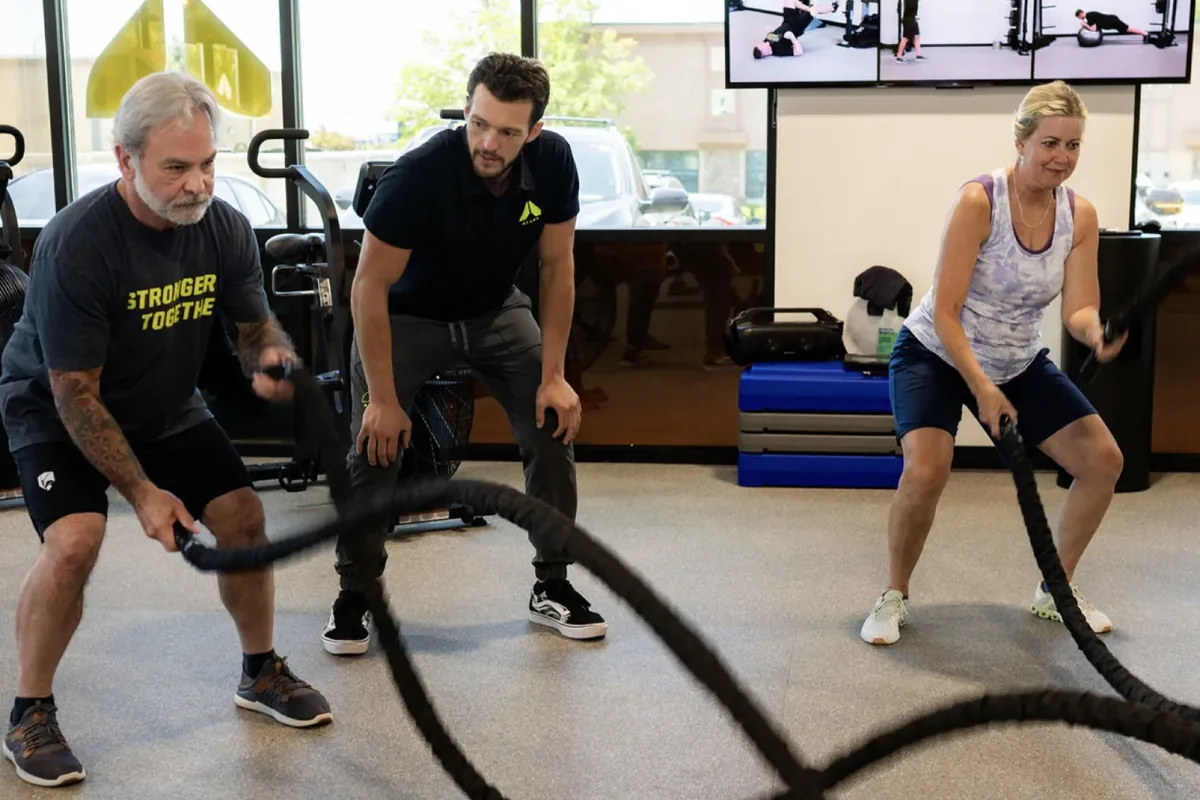
What results do people see?
The training results arrive on the normal timeline: strength within weeks, body composition shifting across months, all tracked on the monthly InBody scan, where the muscle line trending up is, for this population especially, the number worth celebrating. What we hear from members' medical side, we hear secondhand and happily: checkup numbers their physicians liked, conversations about progress instead of decline. We never promise medical outcomes, because that is not our lane. We build the muscle; the muscle does its quiet metabolic work; your care team measures what it means.
How do you start safely?
Talk with your physician, then come have the conversation with us. The complimentary Starting Point Session at Warner and McClintock covers your health history in real detail, includes an InBody body composition scan and a functional movement assessment, and ends with a coached introductory workout and straight answers. Every program here is individualized, which is not a slogan; it is what sessions capped at six members are structurally for.
If you are in South Tempe, near Corona del Sol, the Kyrene corridor, or the Chandler border, Book Your Complimentary VIP Consultation. Bring your walking habit. We will add the other half of the plan.