
Cardio-only weight loss plans usually work at first, and that's exactly the trap. The scale drops, but some of what leaves isn't the weight you wanted gone: it's muscle and strength you need for stairs, yard work, travel, and every capable year ahead. Weight loss over 60 works best in the opposite order. Strength training two to three times a week is the anchor that preserves what you have while the weight comes down, and walking or other cardio goes on top because you enjoy it. That order is what makes results sustainable, and what keeps you strong enough to use them.
Why does cardio-only weight loss fall short after 60?
Because "losing weight" and "losing the right weight" are different projects. A plan built entirely on cardio and eating less can absolutely move the scale. What the scale can't show is what kind of weight is leaving, and on cardio-only plans, some of what's lost tends to be muscle and strength rather than just the weight you were aiming at. You finish lighter but not more capable, which is a poor trade at any age and a worse one after 60, when the strength you have is doing real work every day.
There's a durability problem too. When results depend entirely on doing ever more cardio, the plan collapses the first month you can't. A knee flares up, the weather turns, travel happens, and there's nothing underneath holding the result up. Strength-first plans fail better: miss a week and you still own everything you built.
None of this is an argument that cardio is bad, or that the daily walk you already take was wasted time. Walking is one of the best habits you can carry into your 70s and 80s. The argument is narrower: as the entire engine of a weight loss plan after 60, cardio alone tends to cost you strength you'll want back.
What does a strength-first approach look like?
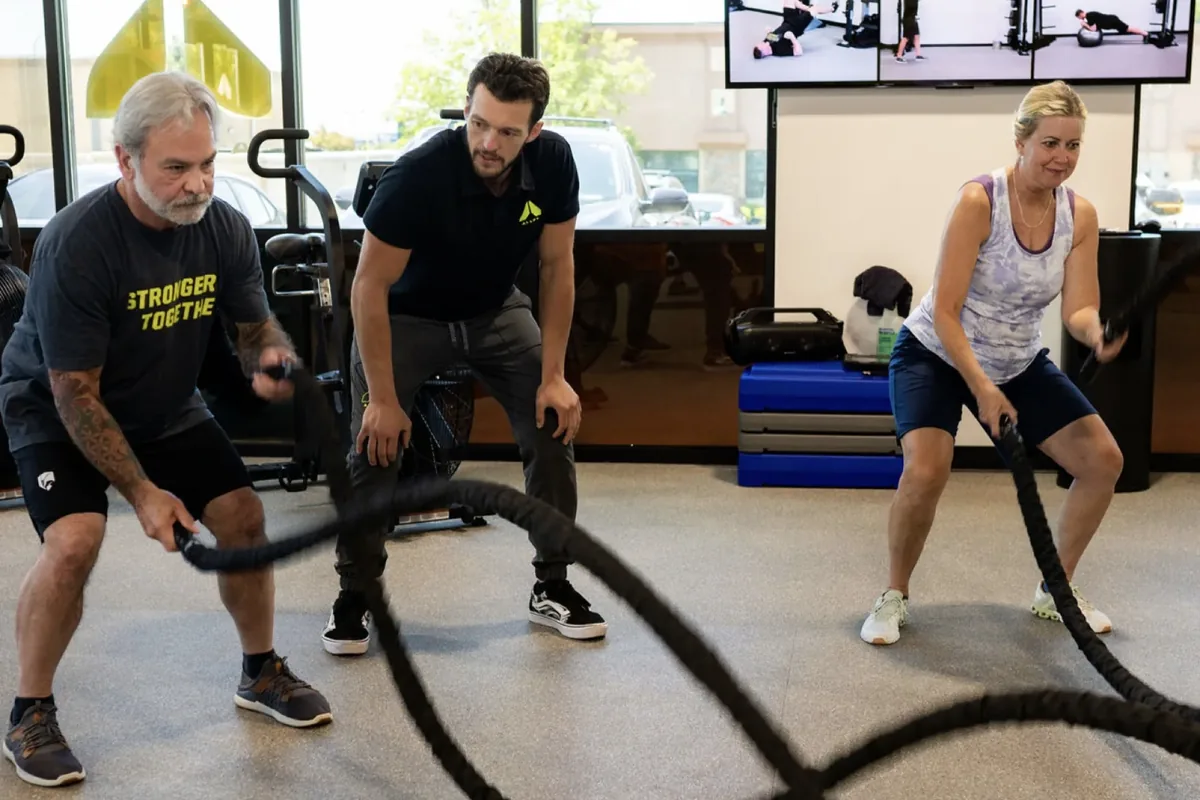
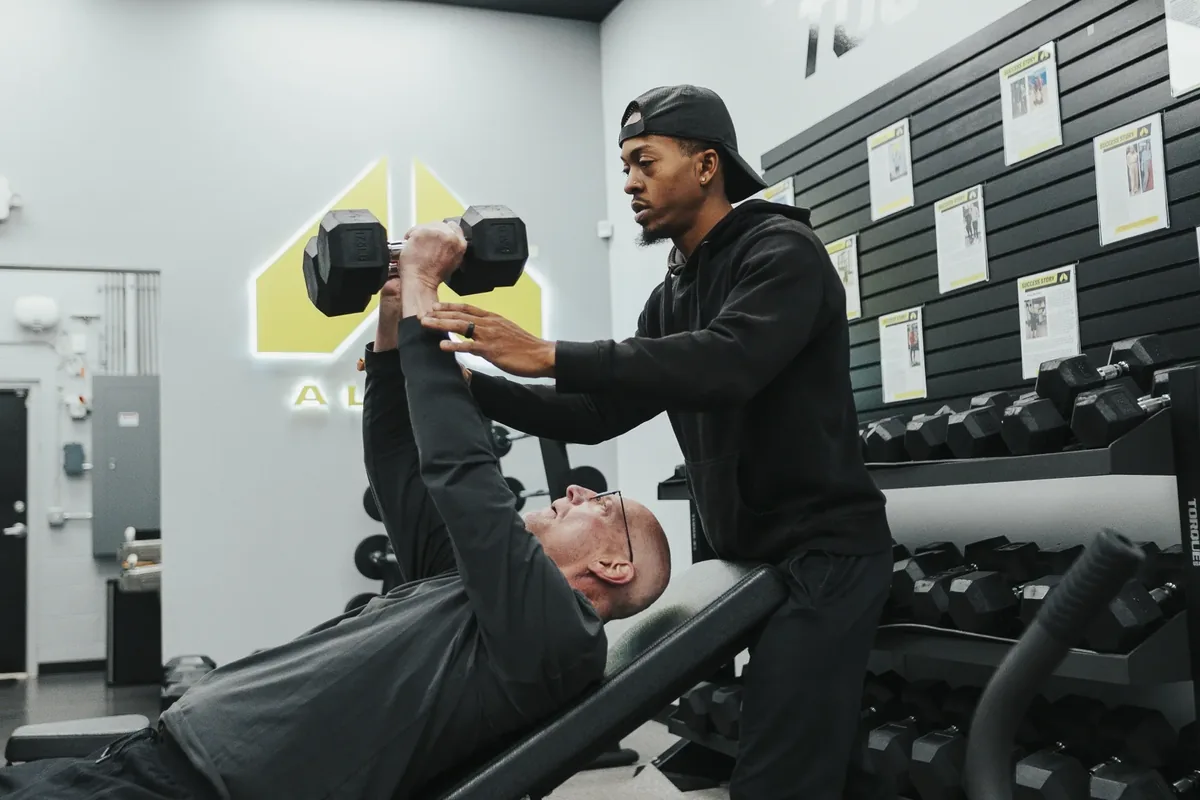
The anchor is two to three coached strength sessions a week, every week. At Alloy Personal Training South Tempe those sessions are capped at six members, each on an individualized program, with a coach who watches your form and progresses you at your pace. The training goal during weight loss is specific: keep the strength and muscle you have while the weight comes down, so what's left at the end is a stronger, more capable version of you rather than a smaller, weaker one. We've written more about losing weight without losing muscle after 60 if you want the detail.
Eating still matters, and it doesn't require a named diet. Members receive ongoing, evidence-based nutrition guidance built around sustainable habits, not a restriction plan that collapses at the first family dinner.
Key Takeaway
Cardio-only weight loss moves the scale but tends to spend muscle and strength you need to keep. A strength-first plan, two to three coached sessions a week with cardio you enjoy layered on top, preserves capability while the weight comes down, which is what makes results last after 60.
How do you know the right weight is coming off?
Because we measure it. The bathroom scale reports one number and hides the rest. Monthly InBody body composition scans at our Tempe studio show muscle mass and body fat percentage separately, so you and your coach can see whether the plan is protecting what should be protected while the weight moves. When the data drifts, the program gets adjusted that month, not discovered six months later.
What does a strength-first week actually look like?
Simpler than most cardio-only plans, honestly. A workable pattern for most members:
- Two or three coached strength sessions on fixed days, so the anchor is scheduled rather than renegotiated each week.
- Walks or other easy cardio on most of the remaining days, sized to enjoyment rather than punishment. Early mornings work best once the Tempe summer arrives.
- Everyday movement counted as movement. Yard work, the long way through the grocery store, stairs when they're an option. It all belongs to the same project.
Notice what's missing: hours of daily cardio, exercise as penance for eating, and any plan that falls apart the first busy week. The structure is boring on purpose. Boring is what survives.
Where does cardio still fit?
Everywhere you enjoy it. Morning walks, hiking, the bike, swimming, pickleball: all of it is valuable, all of it is worth keeping for life, and none of it needs to be given up. The distinction is role. Cardio is the enjoyable layer on top of a strength anchor, not the engine of the plan. Members who love their walks keep their walks. What changes is that two or three times a week, there's a coached strength session underneath making everything else sturdier.
The same logic runs in reverse for members who never liked cardio in the first place. You don't need to learn to love a treadmill for weight loss over 60 to work. Strength training, everyday movement, and honest eating habits make a complete plan; the cardio layer is optional in a way the strength anchor is not.
What results should you honestly expect?
Most members notice improvements in energy, strength, and confidence within the first few weeks. Body composition change typically shows over 8 to 12 weeks of consistent training, and we'd rather set an honest pace you can keep than a dramatic one you can't. The principle is the same one we've written about for weight loss after 40; after 60 the strength piece simply becomes more valuable, because you're protecting the capability that carries the decades ahead.
If you'd like a plan built this way, start with one visit to Alloy Personal Training South Tempe. Book Your Complimentary VIP Consultation: a conversation about your health history and goals, an InBody body composition scan, a functional movement assessment, and an introductory coached workout, with a straightforward recommendation at the end. You can also read how our small group personal training works first. Either way, keep the walks. Just put strength underneath them.