
Choosing a personal trainer in South Tempe comes down to four checks: verified credentials, a training format you can afford to attend consistently, a real assessment before anyone hands you a program, and the absence of a few well-known red flags. A trainer who passes all four is worth a first visit. A trainer who fails any one of them will cost you months, whatever they charge. Here is how to run each check, in the order that saves you the most time.
What credentials should a personal trainer have?
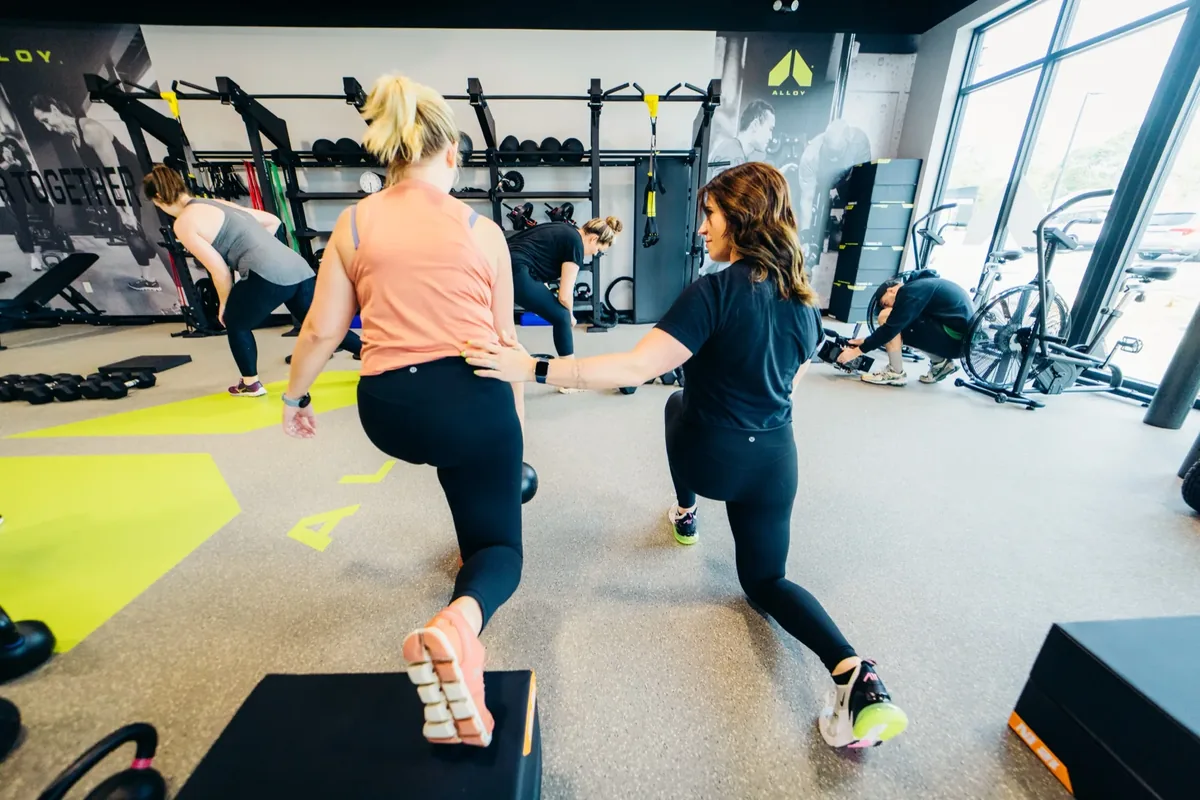
Start with certification. A nationally accredited credential (NASM, ACE, ACSM, NSCA, or an equivalent) means the coach has studied anatomy, program design, and safety, and has to keep learning to stay certified. It's a floor rather than a ceiling, but plenty of people charging for fitness advice in the East Valley never clear it, so check.
Then look past the certificate:
- Experience with people like you. Coaching a 55-year-old with a desk career and a shoulder that complains is a different skill than training college athletes. Ask who the trainer works with most, and listen for your own situation in the answer.
- Continuing education. Good coaches can name the last course they took without checking. The field keeps moving, and they should be moving with it.
- A coherent answer to "why this program?" You want to hear about assessment and progression, not a shrug and a workout of the day.
Should you choose small group or one-on-one training?
Both formats can work, and the honest deciding factors are budget and attention. One-on-one gives you a coach's undivided hour at a price that leads most people to train once a week. Small group personal training shares the coach across a handful of members, which lowers the per-session cost enough that two to three sessions a week becomes a reasonable line item. Frequency is where results live, so that trade matters more than it first appears.
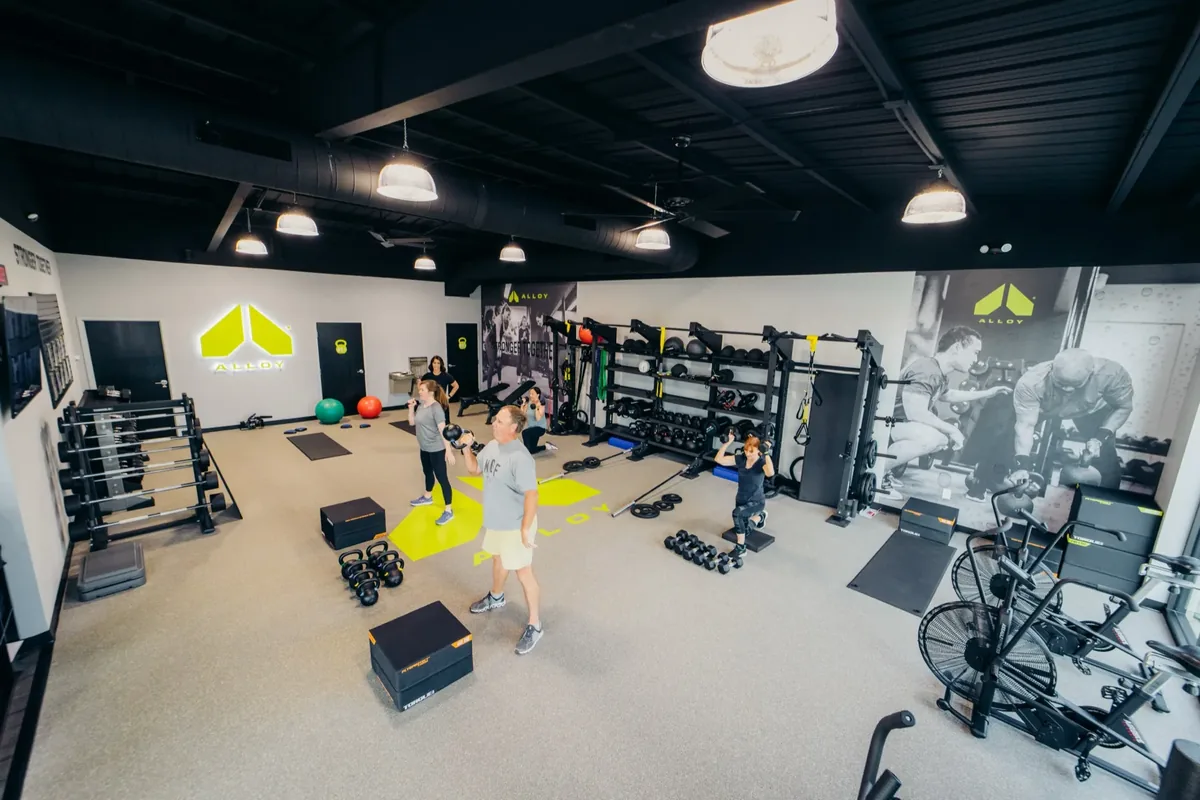
The number to interrogate is group size. A coach can genuinely coach six people at once. Nobody can coach twenty-five; that's a class, however it's marketed. At Alloy Personal Training South Tempe, sessions are capped at six members, each following their own program, with a coach who watches your form and adjusts as you go. You can read how our small group personal training works, and if you're weighing a coached studio against a regular gym membership, we've compared small group training and big-box gyms in Tempe honestly.
What should happen on a first visit?
An assessment, before any sales conversation. A professional operation wants to know your health history, your goals, how you move, and where you're starting from before it programs a single exercise. At our studio the first visit includes a sit-down conversation, an InBody body composition scan, a functional movement assessment, and a short introductory coached workout. Measurement then continues with monthly InBody scans. Because we measure it, your program gets adjusted from data rather than guesses.
The specifics vary from studio to studio; the principle doesn't. A program handed over before an assessment isn't coaching, it's inventory. We've written a step-by-step walkthrough of what a first personal training session looks like if you want to see the whole flow before you book anywhere.
What should you ask before you commit?
Four questions tell you more than any tour:
- "Can I watch or try a session first?" A studio confident in its coaching says yes without hesitating. Evasion here predicts evasion later.
- "What happens if an exercise hurts?" The right answer is modification on the spot, not "push through it" or vague reassurance.
- "Who exactly will coach me, and will I see the same coaches consistently?" A coaching relationship needs the same people learning how you move, week after week.
- "How do you track progress for someone my age and starting point?" Listen for specifics: strength benchmarks, body composition data, a regular measurement cadence.
Good coaches like these questions; they get to talk about the thing they're good at. Hesitation is also information.
Key Takeaway
The right personal trainer has verified credentials, a format you can afford two to three times a week, and an assessment before any program. Every other factor, from equipment to marketing polish, matters far less than those three.
What are the red flags?
Each of these has a reasonable-sounding cover story. None of them deserves the benefit of the doubt:
- A long contract before any assessment. If the paperwork arrives before anyone has watched you move, the business model is signups, not results. Commitment should follow the assessment, not replace it.
- No assessment at all. "We'll get you started Monday" sounds like enthusiasm and functions as a skipped step you'll pay for later.
- One program for everyone. If the workout would be identical whether or not you'd ever been assessed, you're buying entertainment, not coaching.
- Pressure tactics. Today-only pricing, expiring discounts, a hard sell in the lobby. A studio confident in its coaching lets the first visit do the selling.
How do you make the final call?
Visit, and trust what you see. Watch a session if you can: is the coach actually coaching, or supervising? Do members look like people you'd want to spend three sessions a week with? Ask your questions and notice whether the answers are specific. Tempe has no shortage of places to work out; the scarce thing is coaching you'll still be showing up for next year, and you can usually feel the difference from the lobby.
If you'd like to run this checklist on us, we'll make it easy. Book Your Complimentary VIP Consultation at our studio on Warner and McClintock, near the Corona del Sol area and the Kyrene corridor. You'll get the health history and goals conversation, an InBody body composition scan, a functional movement assessment, and an introductory coached workout, with a straight membership recommendation at the end and no pressure attached. If we're not the right fit, you'll leave knowing exactly what to look for in whoever is.