
Say "core workout" and most people picture a floor full of crunches, a countdown timer, and someone's neck regretting everything. It is one of fitness's most durable images, and for adults over 60 it is almost completely wrong.
Your core matters more this decade than it ever has. It just does not care about crunches. Here is what it actually does, why it quietly sits underneath balance and posture and back comfort, and how we train it without anyone folding themselves in half on a mat.
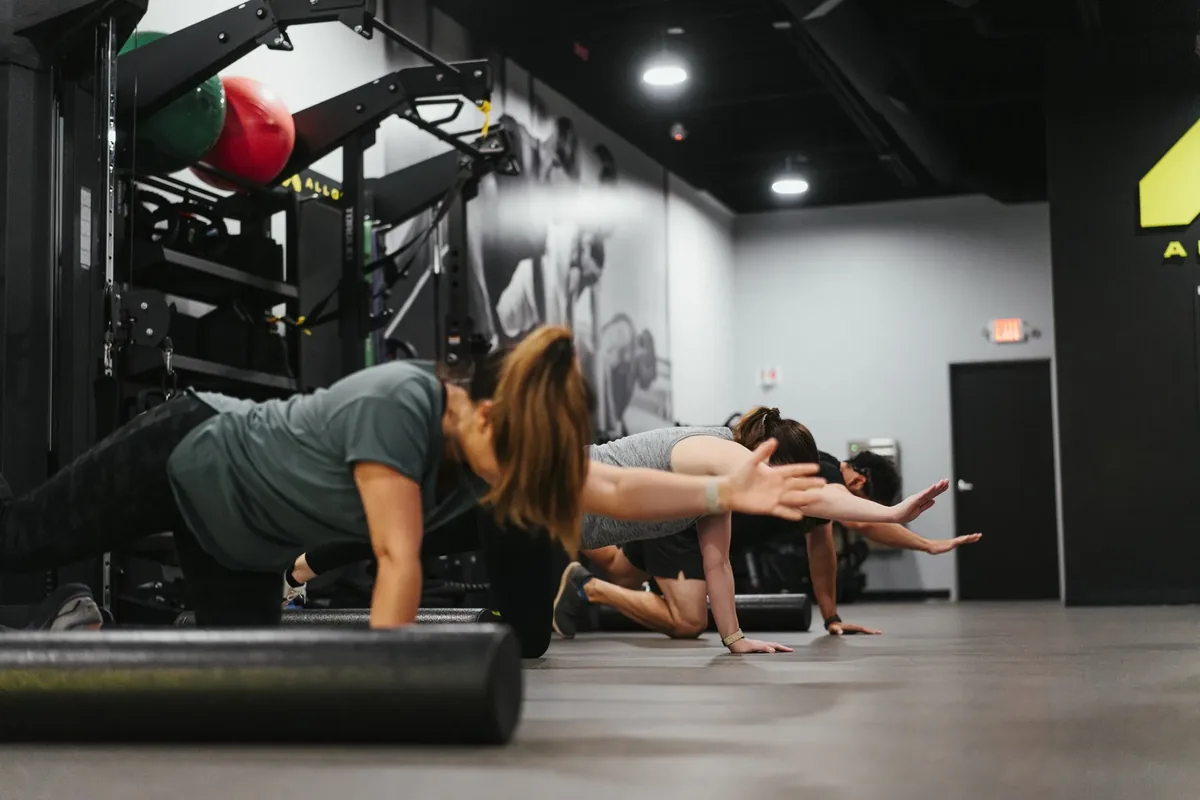
What does your core actually do?
Mostly, it prevents movement rather than creating it. The muscles wrapping your trunk, front, sides, back, and deep layers, exist to hold your spine steady while your arms and legs do things: carrying a grandchild on one hip, reaching the top shelf, stepping off a curb, catching yourself when the dog lunges.
That is why crunches miss the point. A crunch trains your core to fold. Life mostly asks your core to refuse to fold: to stay solid while something tries to bend, twist, or tip you. Trainers call this anti-movement, and it is the organizing idea behind every good core program for adults over 60.
Why does core strength matter more after 60?
Three escalating reasons:
- Balance runs through it. Recovering from a stumble is a trunk event as much as a leg event; your core transmits the correction. A strong trunk is a key part of the fall-prevention system we described in balance and fall prevention after 60.
- Posture leans on it. The gradual forward drift of aging posture is partly a core and upper-back strength story. The muscles that hold you tall are exactly the ones anti-movement training builds.
- Your back depends on it. A trunk that stabilizes well spreads load across muscle instead of concentrating it in the spine's small structures. For many people, a stronger core is the difference between gardening with a sore back and gardening without one.
What does good core training look like?
Like carrying, bracing, and resisting, which is to say, like life with better form:
- Carries. Pick up something heavy, walk tall, put it down. Farmer carries may be the single most honest core exercise ever invented, and they train grip and posture in the same trip.
- Anti-extension work. Planks and their cousins, scaled to appropriate versions: hands elevated, time kept short and quality high.
- Anti-rotation work. Holding steady while a band or cable tries to twist you. This is the stumble-recovery muscle doing its homework.
- Compound lifts, which are secretly core exercises. A properly braced squat, deadlift, or standing press trains the trunk exactly the way daily life uses it: holding firm while effort happens.
Notice what the list lacks: hundreds of reps, special equipment, and anything requiring you to get down on the floor against your will. Though for the record, getting down to the floor and back up on purpose is one of the best movements we train, as the independence tests post explains.
How fast does core strength improve?
Encouragingly fast, because much of the early gain is skill: learning to brace, to breathe while braced, to hold ribs and hips in conversation with each other. Members commonly notice steadier balance and an easier back within the first month or two, before the InBody scan has much news to report. The strength keeps building from there, stacked quietly inside every session rather than isolated into a punishing core day.
That is the structural point worth taking home: in a well-built program, core training is not a separate subject. It is the grammar of every lift.
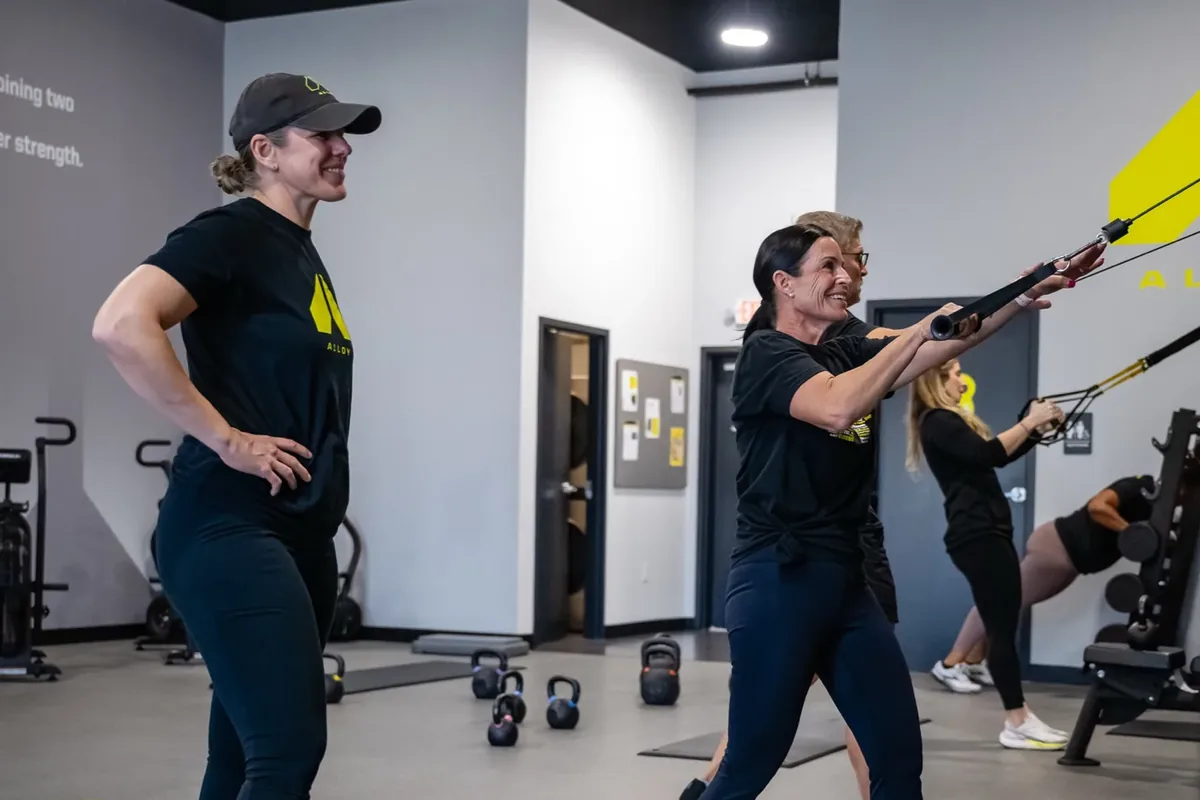
Where should you start?
With an assessment, because core weakness hides well. Plenty of people who can hold a long plank still lose their brace the moment a real load shows up, and plenty who have never planked carry beautifully. Finding out which patterns need work is the first hour's job.
Your first visit to our South Tempe studio on Warner and McClintock is a Starting Point Session: a goals conversation, an InBody scan, a movement assessment, and an introductory coached workout where bracing and carrying are taught, not assumed. Book Your Complimentary VIP Consultation. Your back will send a thank-you note by spring.