
Fitness marketing loves the word functional, which is a shame, because underneath the buzzword lives one of the most useful ideas in training, especially after 60. The idea is simply this: train the movements your life is made of, so your life stays easy to live.
Nobody past 60 actually cares about a leg extension number. People care about getting off the floor without a furniture-assisted production, hoisting the carry-on into the bin, gardening all Saturday without a two-day recovery bill, and keeping up on the travel their calendar finally has room for. Those are functions, and they are what a good program is built backward from.
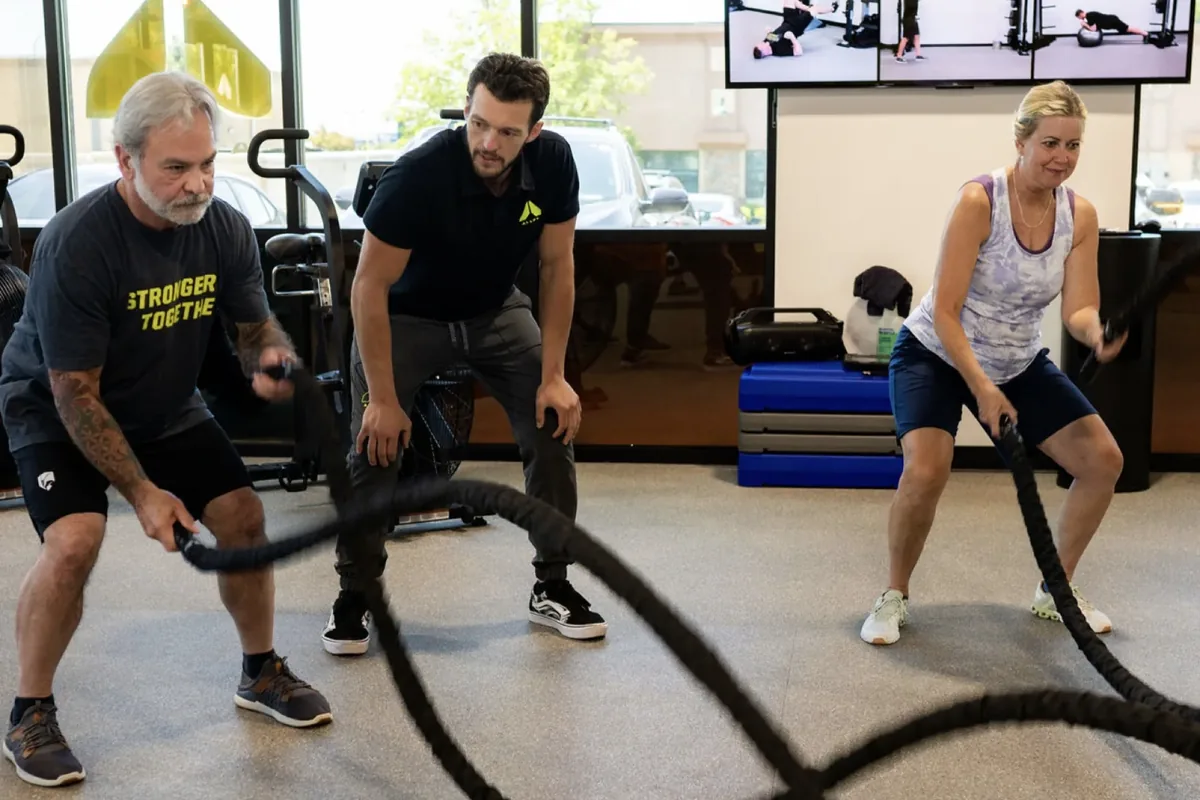
What counts as functional after 60?
Look at a normal week and the movement vocabulary is surprisingly short:
- Sit down and stand up: from chairs, car seats, toilets, and the low couch at your friend's house. That is a squat.
- Pick things up: groceries, grandchildren, the thing that rolled under the table. That is a hinge.
- Carry things: bags, luggage, a case of water from the car. That is a loaded carry.
- Put things up and get things down: overhead bins, high shelves. Presses and pulls.
- Get off the floor: the function people quietly lose first and miss most.
- Catch yourself: the stumble that stays a stumble, which is strength plus balance, trained together.
A functional program is those patterns, loaded appropriately and progressed patiently. It is not exotic. It is life, rehearsed with weights.
How is that different from a machine circuit?
Machines isolate; life integrates. A seated machine row strengthens a muscle while a padded seat does your balancing for you. Standing rows, carries, and squats to a box strengthen the same muscles while your hips, trunk, and feet learn to coordinate the way the real world requires. Machines have their place in a program, especially early or around specific limitations. As the whole program, they build strength your body has never practiced using, which is how people end up strong on paper and hesitant on staircases.
Is not functional training just a gentler word for easy?
The opposite, done right. Because functional training uses real patterns under real load, it can and should be genuinely progressive, the same standard we laid out in what a good senior program looks like. The box you squat to gets lower. The carries get heavier and longer. Getting off the floor progresses from with-hands to without. Progress in functional terms is the most satisfying kind, because it cashes out directly: the bin, the floor, the garden, the trip.
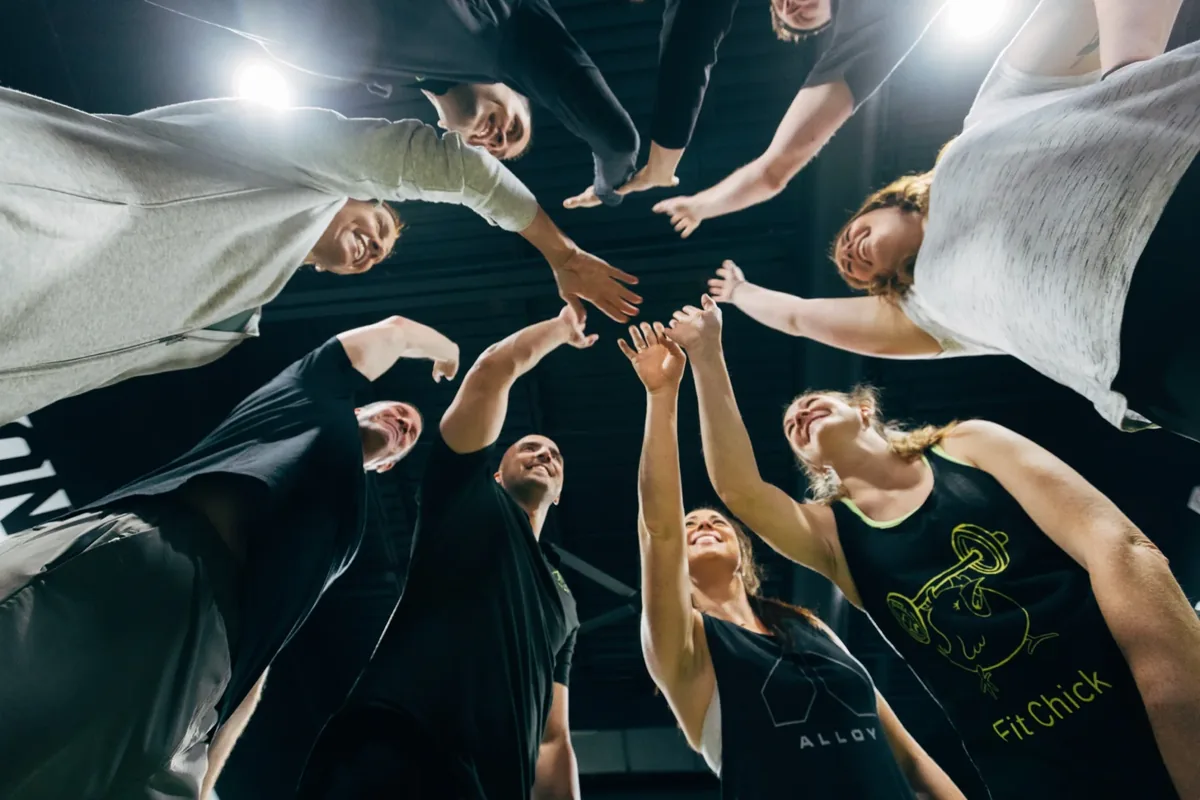
What does a functional session look like here?
A coached hour in a group capped at six, built from those life patterns, individually scaled. One member squats to a high box while another goes below parallel with a dumbbell; both are running the same pattern at their own chapter. The InBody scan each month tracks the muscle behind it all, and twice-a-week consistency compounds it. Members tend to report functional wins before mirror wins, in a reliable order: floors, then stairs, then luggage, then whole ambitious Saturdays. That order is not a coincidence. It is the program working from the ground up.
How do you start?
With an honest look at your current functions. Our complimentary Starting Point Session at Warner and McClintock includes a functional movement assessment, which is exactly what it sounds like: we watch how you actually squat, hinge, carry, and balance today, alongside an InBody body composition scan, your history and goals, and a coached introductory workout. The program starts from what your life needs and where your body is, which is the entire philosophy in one sentence.
If you are in South Tempe, near Corona del Sol, the Kyrene corridor, or the Chandler border, Book Your Complimentary VIP Consultation. Train the life you actually live. It responds beautifully.