
For most beginners over 60, the answer is two to three coached sessions per week, with at least one rest day between them. Two is the floor where results become reliable. Three is a sensible early ceiling. More than that in your first few months usually costs you recovery without buying you progress. That is the short version, and it is the schedule most new members at Alloy Personal Training South Tempe start on. The longer version below covers why those numbers, what to do on the other days, and how the answer changes once you are no longer a beginner.
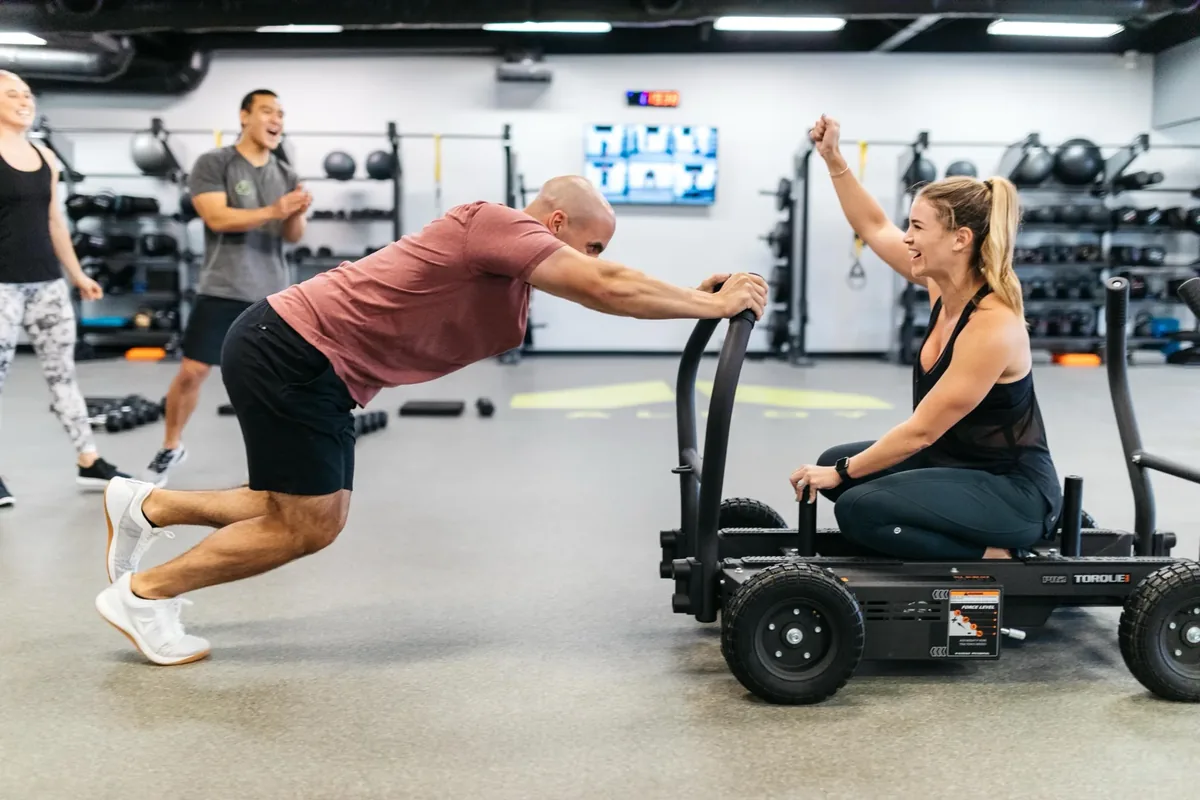
Why is two sessions a week the floor?
Two reasons: results and habit.
Results first. Strength is built by repeated, progressive practice, and at one session a week the gaps are long enough that each visit can feel like starting over. At two, sessions begin to build on each other. Movements grow familiar, weights progress, and the work compounds week over week instead of resetting. For beginners, showing up regularly drives results more than any single heroic workout ever will.
Habit second, and honestly it may matter more. Once a week is an event you can skip without noticing. Twice a week is a rhythm: it puts training on specific days, gives your week a shape, and makes a missed session feel like something is off. Most people who are still training a year later got there by making the schedule boring and automatic early.
Why is three sessions the early ceiling?
Because in your first few months, the limiting factor is not motivation. It is recovery. Strength work asks something of your body, and the adaptation you are after happens between sessions, not during them. Beginners over 60 generally do best with at least one full rest day between coached sessions, which is exactly what a Monday, Wednesday, Friday pattern, or a Tuesday and Thursday pattern, provides.
Enthusiasm is the classic beginner trap. Feeling good in week three and adding a fourth or fifth session is how people end up sore, stalled, or discouraged by week six. We would rather set an honest pace you can keep than a dramatic one you can't.
Does once a week ever make sense?
As an on-ramp, yes. If your season of life genuinely allows one session a week right now, one is far better than zero: you learn the movements, build the relationship with your coach, and keep the door open. Just call it what it is. Progress at one session a week is slower and the habit is more fragile, so the plan should include graduating to two when your calendar loosens, not settling in at one indefinitely.
Key Takeaway
Beginners over 60 do best on two to three coached sessions per week with a rest day between them. Two is where results and habit become reliable; three is the early ceiling, because progress happens during recovery, not during workouts. Fill the other days with movement you enjoy and let a coach adjust the number as you adapt.
What should you do on the days you are not training?
Move, in ways you would choose anyway. Non-training days are not for second workouts. They are for the kind of activity that keeps you loose and adds up quietly:
- Walking, early before the Tempe heat gets serious, around Kiwanis Park or your own neighborhood
- Swimming or water aerobics, easy on a recovering body and pleasant for much of the year here
- Pickleball, golf, or cycling, whatever you already enjoy enough to keep doing
- Yard work and errands on foot, which count for more than most people give them credit for
The distinction that matters: coached sessions are where you progress. The rest of the week is where you simply live in a body that moves. Neither replaces the other.
When does your frequency change?
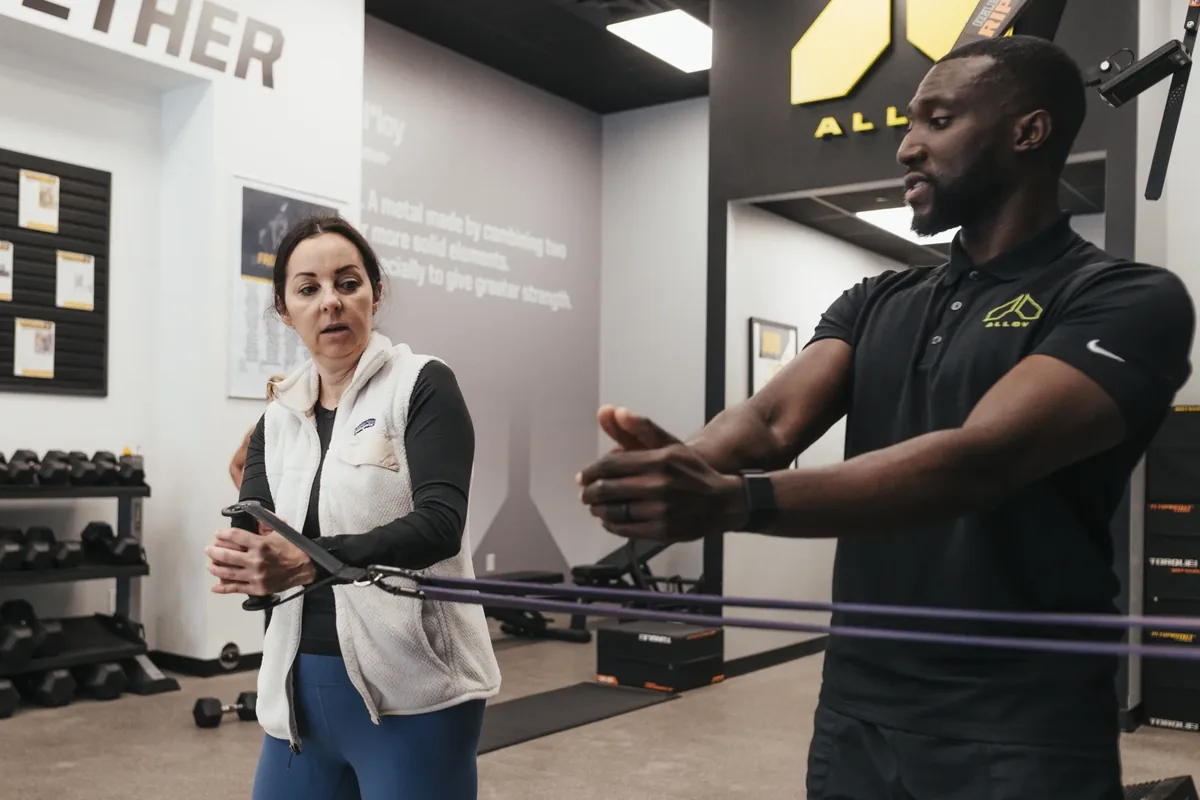
After the first few months, once the movements are familiar and your recovery between sessions feels comfortable, there is room to adjust. Some members add a third or fourth weekly session because they enjoy it and their calendar allows it. Plenty of others stay at two or three sessions per week for years and keep progressing, because the sessions themselves keep progressing. More frequency is an option, not a requirement. The program's difficulty rises with you either way.
The signals a coach watches for are ordinary ones: sessions stop leaving you unusually sore, the weights that felt heavy in month one start feeling routine, and you finish with something left in the tank. When those show up consistently, adding a session becomes a conversation rather than a leap. It works in the other direction too. If life tightens up for a season, dropping from three sessions to two for a while is a normal adjustment, not a failure. The schedule serves the training, never the other way around.
How does a coach set the right number for you?
By watching two things: how you recover and what your life actually allows. A schedule that fits your real calendar beats a theoretically perfect one you abandon by March. At Alloy Personal Training South Tempe, sessions are capped at six members and every program is individualized, so your coach can see how you are responding week to week and adjust frequency, load, and exercises accordingly. And if part of you is still asking whether starting at all makes sense at your age, it is not too late to start strength training at 60, and the case only gets stronger from there.
If you would like to see what a session actually involves before committing to a weekly number, we have written a plain walkthrough of your first personal training session after 60, and how the program works is laid out on our services page. The simplest way to find your own starting frequency is to Book Your Complimentary VIP Consultation: a health history and goals conversation, an InBody body composition scan, a functional movement assessment, and an introductory coached workout, ending with a straight recommendation for how many sessions per week fit your goals and your calendar.