
Here is a quiet irony of aging: just as protein becomes more important than it has ever been, most people start eating less of it. Appetites shrink, cooking for two (or one) replaces cooking for a family, and dinner drifts toward toast, soup, and cereal. Meanwhile, the body's protein math has moved in exactly the opposite direction.
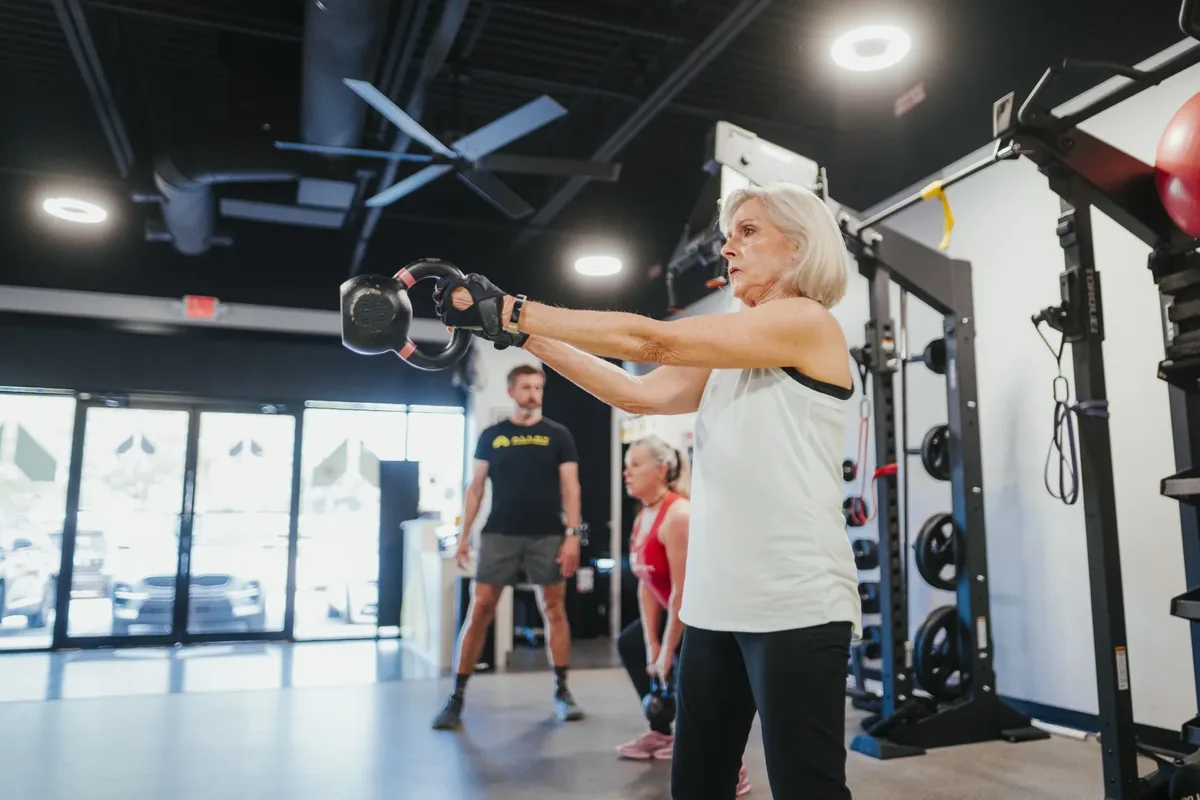
If you are over 60 and working on staying strong, protein is not a bodybuilding topic. It is a groceries topic, and getting it roughly right does more for your strength than almost any supplement you could buy.
Why do protein needs go up with age?
Because your muscles become harder of hearing. Researchers call it anabolic resistance: the same meal of protein that triggered a robust muscle-building response at 30 produces a smaller one at 60. The signal still works; it just needs to be louder.
Louder means two things in practice. First, more protein overall. The standard recommendation most people grew up with was set to prevent deficiency, not to maintain muscle in older adults, and researchers who study aging muscle generally recommend meaningfully more: roughly 1.0 to 1.2 grams per kilogram of body weight daily, and more again for people training hard or recovering from illness. For a 170-pound adult, that lands around 80 to 95 grams a day.
Second, enough at each sitting. Spread thin across the day, protein whispers. Older muscles respond best to meals containing roughly 25 to 35 grams at once, which is precisely the dose most breakfasts and lunches miss.
What happens when protein runs low after 60?
The body balances its books by withdrawing from muscle. Combine a low-protein year with normal aging and you accelerate sarcopenia, the gradual muscle loss we wrote about in our guide to muscle loss after 60. The losses compound quietly: a little less leg strength, a little harder out of the chair, a little more caution on stairs.
Protein also partners with training during weight loss. Older adults dieting without adequate protein and strength work lose alarming amounts of muscle along with the fat, the problem we unpacked in losing weight without losing muscle. Adequate protein flips the ratio so the weight that leaves is mostly the weight you wanted gone.
What does enough protein actually look like?
Numbers on labels are abstract; plates are real. Roughly 30 grams of protein looks like any of these:
- A chicken breast the size of your palm
- A can of tuna plus a hard-boiled egg
- A cup of cottage cheese with fruit
- Three eggs plus a glass of milk
- A generous serving of Greek yogurt with nuts
- A salmon fillet, or a lean burger patty without ceremony
The day works best anchored at breakfast, the meal where protein is usually thinnest. Eggs, Greek yogurt, cottage cheese, or leftover dinner (nobody is checking) all work. Get 30 grams before 9 a.m. and the rest of the day only has to be ordinary.
Protein shakes are a fine convenience for small appetites, not a requirement. Food first, powder when practical: the muscle cannot tell the difference, but your grocery bill and taste buds can.
Does protein work without training?
Only partially, and this is the part worth underlining. Protein is lumber; strength training is the construction crew. Eat well without training and you slow the losses. Train without eating enough and you blunt the gains. Do both and the research on adults in their 60s, 70s, and beyond shows genuine muscle rebuilding, not just maintenance.
Two coached sessions a week supplies the demand; the groceries supply the materials. It is the simplest partnership in health, and the one most worth getting right this decade.
Where do you start if this is all new?
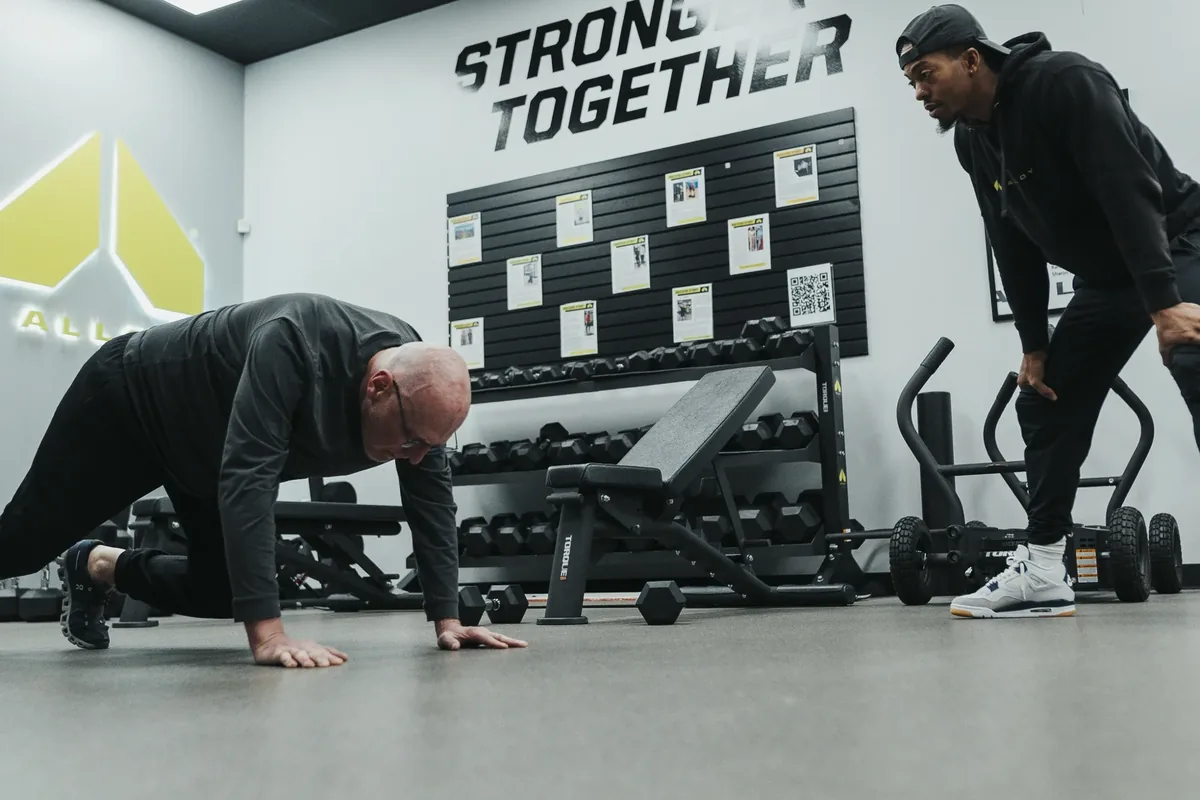
With a baseline and a plan sized to you, not to a fitness influencer's spreadsheet. Your first visit to our South Tempe studio, on Warner and McClintock, is a Starting Point Session: a conversation about your goals and eating patterns, an InBody scan that measures your actual muscle mass, a movement assessment, and an introductory coached workout.
From there, your coach keeps an eye on both sides of the partnership: the training that asks, and the protein that answers. Book Your Complimentary VIP Consultation, and bring your questions about breakfast. We have opinions.