
Of all the reasons people give for not exercising after 60, the most common one is also the most understandable: "I am too tired." The errands already take everything. By mid-afternoon the tank is empty. Adding workouts to that picture sounds like spending money you do not have.
Here is the catch, and it is one of the most reliable findings in exercise science: energy does not work like money. Spending it on the right things is precisely how you get more of it. And for adults over 60, the "right things" are led by strength training, for reasons worth understanding.
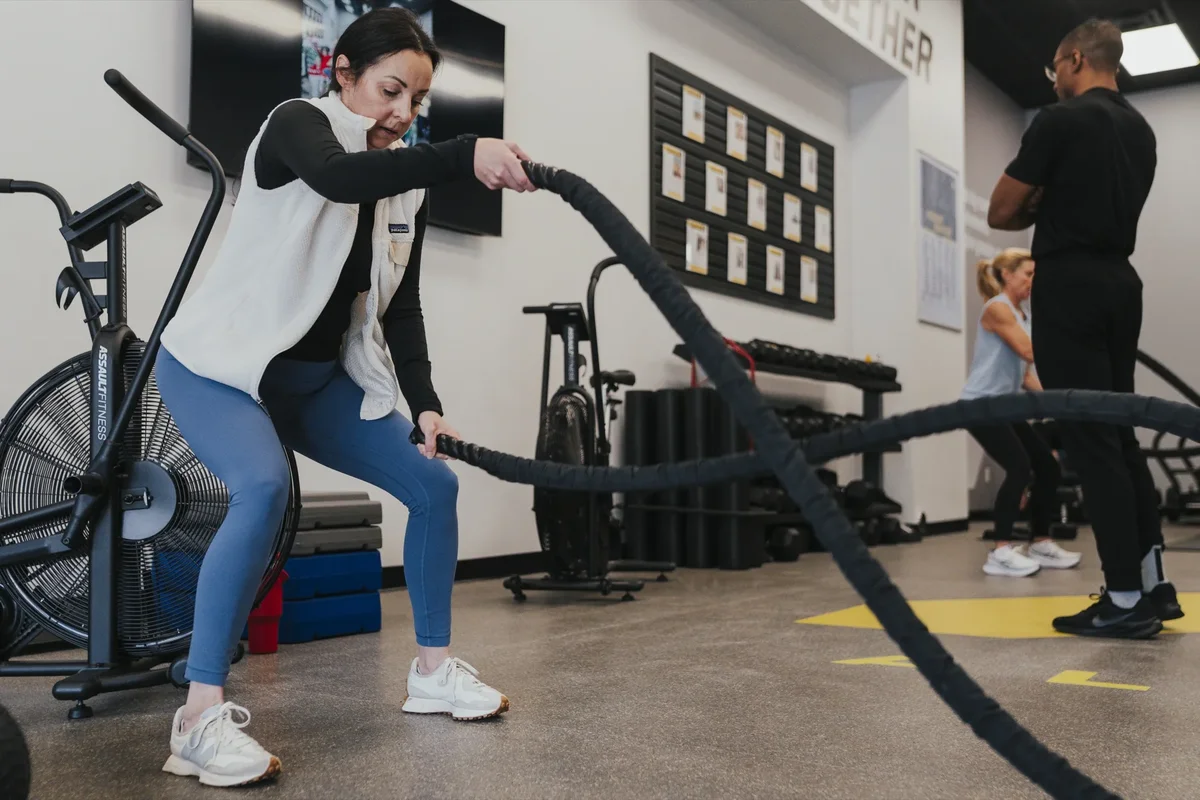
Why does everything feel more tiring after 60?
Often it is arithmetic more than age. Fatigue is partly a ratio: the effort a task demands divided by the capacity you have available. When muscle declines over the years, every fixed task in your life, the stairs, the groceries, the walk from the far end of the parking lot, consumes a larger percentage of your maximum. Tasks that once used 30 percent of your strength start demanding 60 or 70 percent, and operating near your limits all day is exhausting. That is true at any age.
So the tiredness is real. But its deepest cause is frequently not an aging engine; it is a shrinking one. And engines can be rebuilt, as decades of research on strength training after 60 keeps demonstrating.
How does strength training create energy?
Several ways, operating on different timescales:
- It widens the ratio. When training raises your capacity, daily life's fixed costs shrink as a percentage. The stairs that demanded 70 percent of your strength now ask 45. That difference is felt directly as "more energy," all day, every day.
- It rebuilds your cellular power plants. Muscle is where mitochondria, the body's energy factories, live in bulk. Training signals your body to build more of them and maintain the ones you have, improving your energy production at the most basic level.
- It deepens sleep. Regular resistance training is consistently linked with falling asleep faster and sleeping more soundly, and better nights fund better days.
- It lifts mood. Fatigue and low mood travel together, and strength training has solid evidence for improving both, in older adults specifically.
Studies of sedentary adults who complain of persistent tiredness repeatedly find that beginning regular exercise reduces fatigue and increases energy, often within weeks, and often more effectively than rest does. Rest treats tiredness caused by effort. It cannot treat tiredness caused by deconditioning; only rebuilding does that.
Will workouts not just wear me out more?
The first week or two, you will feel the work; honesty requires saying so. But properly dosed training, which is the entire craft of coaching, fatigues you pleasantly for an evening and pays you back across the week. A session that leaves you wrecked for two days was the wrong session, and in our studio, where every load is chosen by a coach in groups capped at six, wrecked is not the program.
Members in their 60s and 70s tell us the same story so often it has become a pattern we can promise with a straight face: within the first month or two, the afternoons change first. Then somebody notices they stopped dreading the stairs. The sessions did not take energy from their week. The sessions are where the week's energy started coming from. That first visit, which we walked through in what your first session looks like, is deliberately built to start that loop gently.
What about caffeine, naps, and pacing myself?
All legitimate tools, all treating symptoms. Coffee borrows alertness; naps repay small debts; pacing spends a fixed budget more carefully. Only training enlarges the budget. The strategies work best together: the person with a rebuilt engine gets far more out of the same cup of coffee and needs the pacing far less.
One caution belongs here: persistent, unexplained exhaustion deserves a doctor's visit before anything else, to rule out the medical causes of fatigue. Once your doctor clears you, "deconditioning" is the most common remaining answer, and it is the one with a training solution.
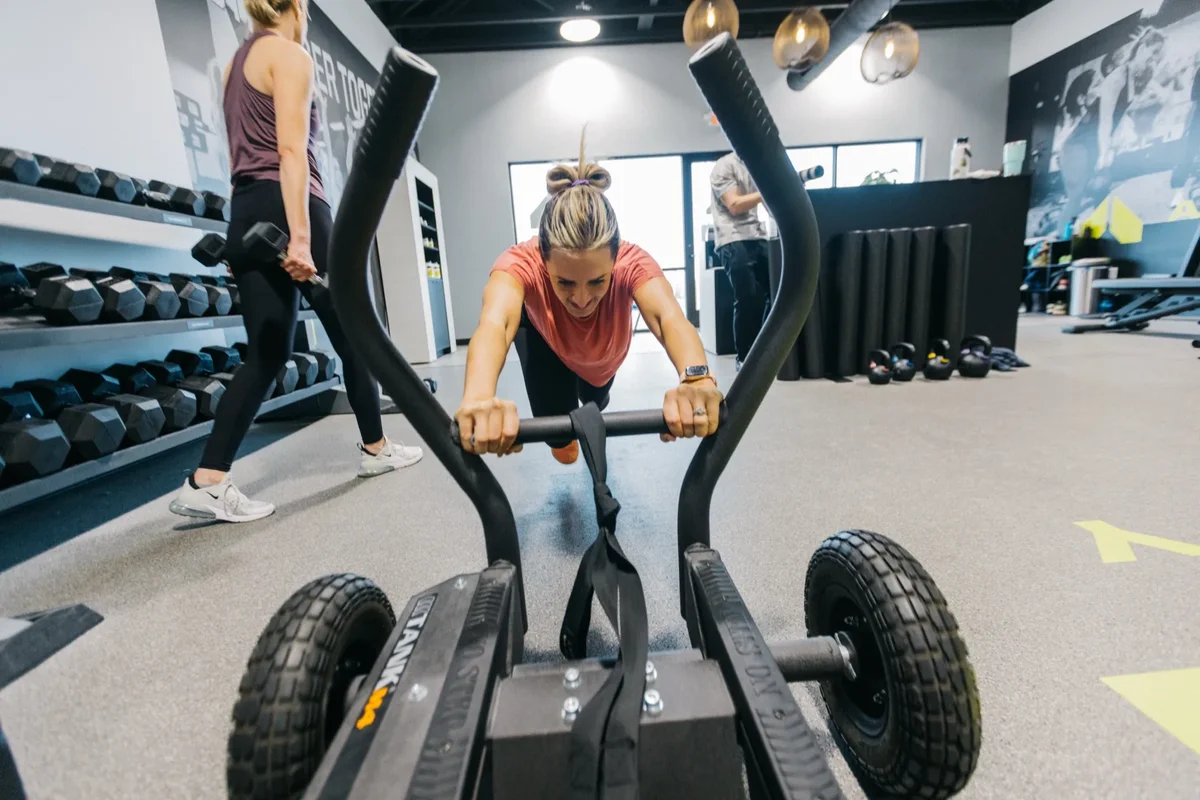
How do you start when you are already tired?
Smaller than you think, with someone else doing the calibrating. Your first visit to our South Tempe studio on Warner and McClintock is a Starting Point Session: a conversation about your goals and your actual energy, an InBody scan, a movement assessment, and an introductory coached workout sized to today, not to some imagined fitter you.
Two coached sessions a week from there. Modest, watched, progressive. If you live near Kiwanis Park or along the Kyrene corridor, the drive is short and the afternoons on the other side of this are worth it. Book Your Complimentary VIP Consultation, tiredness and all. Especially tiredness and all.