
Walk into any conversation about exercise after 60 and you will hear the same gentle advice: try yoga, maybe tai chi, something low-impact. It is kindly meant, and the practices themselves are genuinely good. We recommend them regularly.
But there is a question hiding inside that advice worth examining honestly: good at what? Yoga, tai chi, and strength training are not three flavors of the same thing. They are different tools for different jobs, and one of those jobs cannot be done by the other two.
What do yoga and tai chi genuinely do well?
A respectable list, honestly earned:
- Balance. Tai chi in particular has strong evidence for reducing falls; its slow, controlled weight shifting is essentially balance practice set to music nobody plays.
- Flexibility and comfort. Yoga keeps joints moving through range, eases stiffness, and many practitioners report less back and joint discomfort.
- Calm. Both practices lower stress reliably, and the breathing habits transfer to the rest of life.
- Gentle entry. For someone sedentary, either one is a welcoming first step with a low barrier.
If you love your yoga class or your tai chi group, keep it. Nothing below argues otherwise.
What can neither one do?
Build meaningful muscle and bone, and this is not a small gap. After 60, muscle and bone are declining assets: sarcopenia takes muscle, and bone density follows its own slow retreat. Reversing either requires progressive overload, a challenge that grows as you adapt. Holding a warrior pose is work, but it is the same work every week; your body adapts in the first months and then politely stops changing.
The research is plain about this. Yoga and tai chi studies show balance, flexibility, and quality-of-life gains, with little to no meaningful muscle gain. Resistance training studies in adults over 60 show just that: muscle rebuilt, strength up dramatically, bone loss slowed or modestly reversed. The practices are not competing; they are answering different questions. The question this decade asks loudest is the strength one, as we laid out in is it too late to start strength training at 60 (spoiler: no).
So which should you choose?
Ideally, do not frame it as a choice. The combinations are excellent: strength training as the anchor, two sessions a week, with yoga or tai chi as the balance-and-calm layer around it. The practices even improve each other. Stronger legs make standing poses steadier; better flexibility makes squats deeper and cleaner.
But if life only has room for one thing right now, and the goal is independence, the evidence points firmly at strength training, for one reason: it is the only one of the three that rebuilds the muscle everything else depends on. Balance without leg strength is a well-calibrated system with no horsepower. Flexibility without strength is range you cannot control. Muscle is the asset; the rest are refinements.
Is strength training as safe as the gentle options?
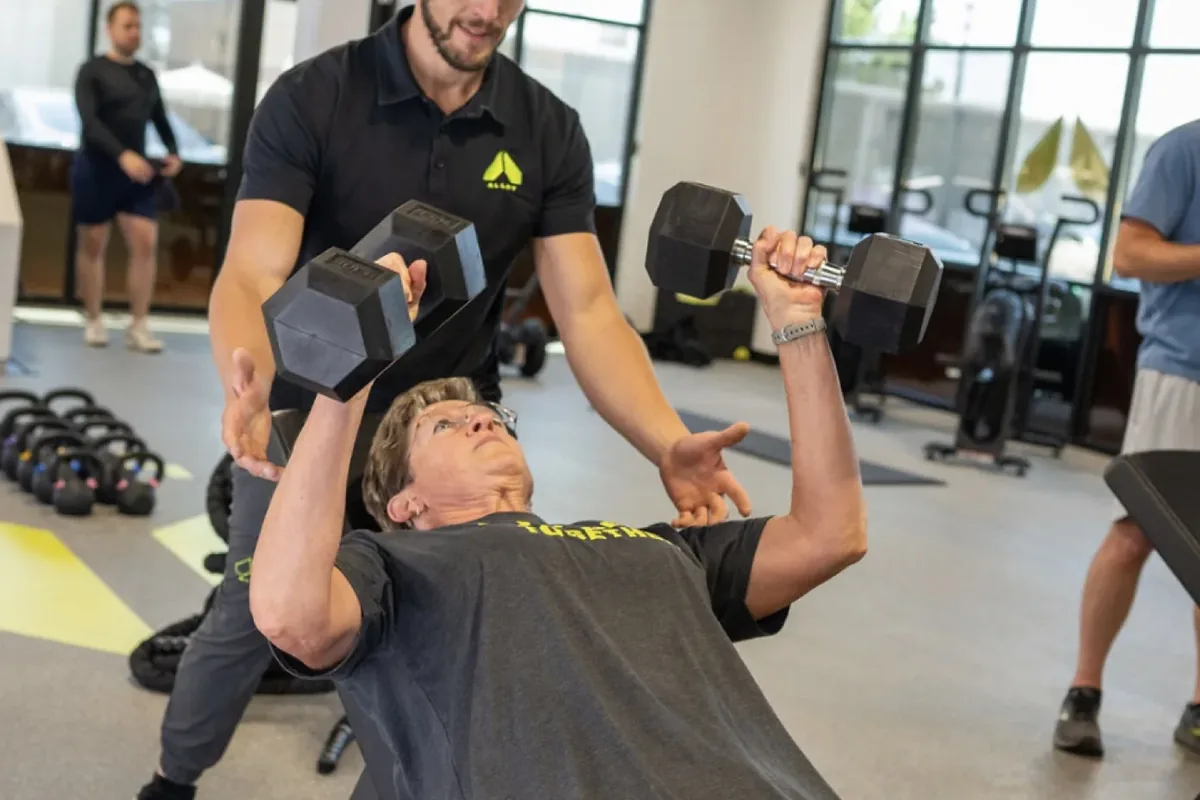
Supervised, yes, and this surprises people. Coached strength training in older adults shows injury rates comparable to or lower than many gentle activities, because every load is chosen, every rep is watched, and progression follows a plan rather than enthusiasm. The intimidating version of lifting, the one from gym commercials, has little to do with what happens in our studio: sessions capped at six, weights matched to each person, a coach within arm's reach, a first visit that starts with an assessment rather than a workout.
Members who arrive from years of yoga often tell us the same thing afterward: they expected strength training to feel harsh and found it felt precise. The first session is gentler than its reputation.
What would a combined week look like?
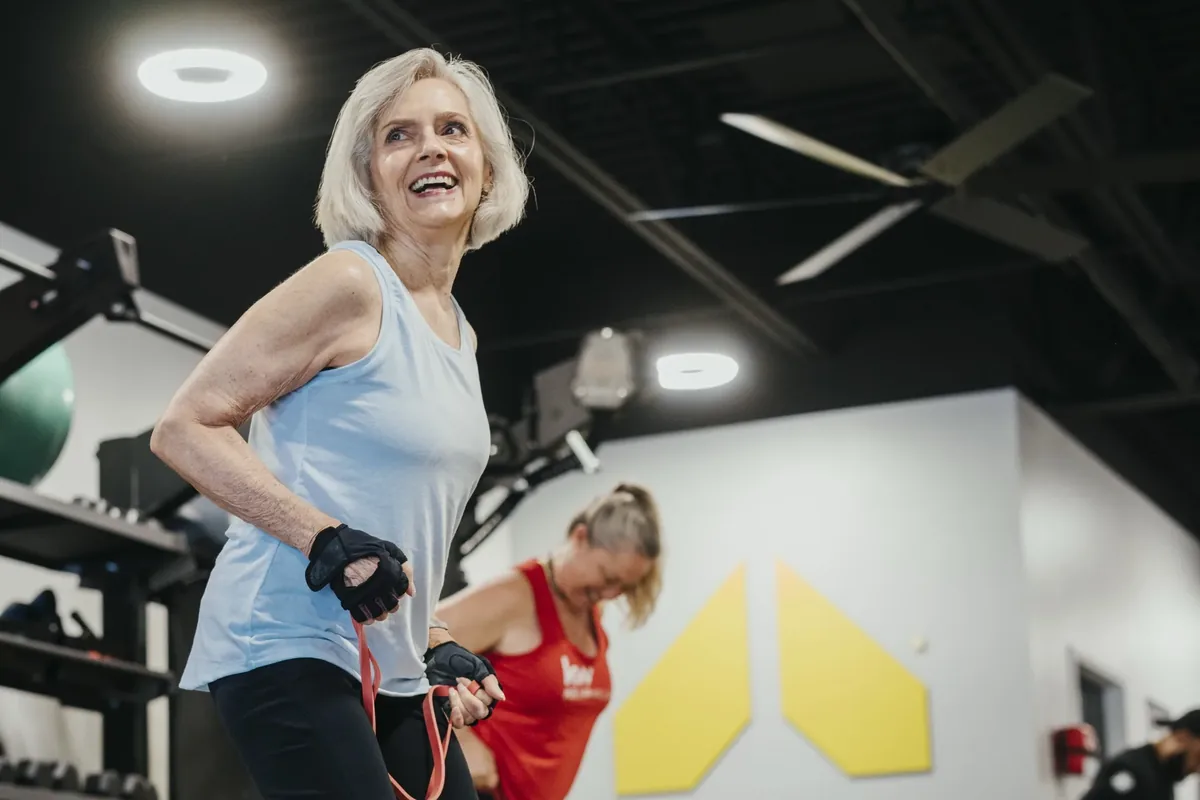
Simple and sustainable: two coached strength sessions, Tuesday and Thursday, your yoga or tai chi class wherever it already lives, and walks in between, which Tempe's fall weather finally makes a pleasure again, whether that is around Kiwanis Park or your own neighborhood.
If the strength anchor is the piece missing from your week, that is the gap we exist to fill. Your first visit to our South Tempe studio on Warner and McClintock is a Starting Point Session: goals conversation, InBody scan, movement assessment, and an introductory coached workout scaled exactly to you. Book Your Complimentary VIP Consultation and bring your yoga mat stories. We will trade you some barbell ones.